Beep, Liar: Notes From Britain’s Bagging-Area Front Line
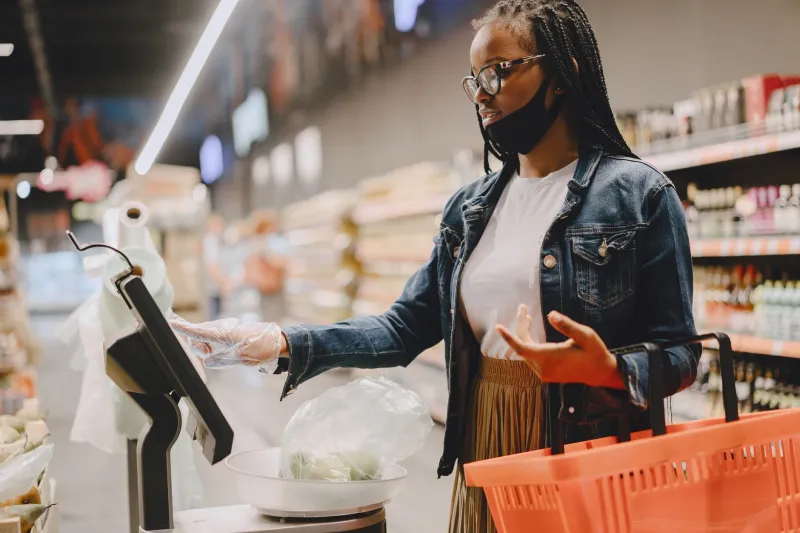
The self-checkout is not really a machine. It is a small, brightly lit stage on which the British public performs a one-act play about trust. You scan a pepper. It weighs the pepper. It weighs you, spiritually. Then a voice says, 'Unexpected item in the bagging area,' and every person in the queue turns to see whether you are a criminal or simply someone who put a bag for life down with too much feeling.
In November 2026, with the light gone by half four and the supermarket queue curling past the reduced bakery, this is where much of the nation does its emotional processing. We asked UshVP readers for their machine grievances. The replies arrived like tiny poems of fury: the checkout that demanded assistance while nobody was looking; the one that refused a bunch of bananas but accepted a reduced sausage roll without comment; the bagging area that has never recovered from a dropped bottle of milk in 2019.
The tiny theatre of the bagging area
The bagging area is not a shelf. It is a set of scales with a memory. Lean on it, rest a basket on it, or let a bag handle droop onto it, and the machine will conclude that an unauthorised item has entered the scene. Cue the beep. Cue the pause. Cue the queue behind you doing that very British thing of looking at the ceiling while silently editing their wills.
Readers described the same rituals everywhere. A woman in Sheffield said her local machine objects when she breathes near the scales. A man in Cardiff claimed his checkout once asked him to remove an item from the bagging area while the bagging area was empty, then went silent like a passive-aggressive colleague. Another reader in Leeds says she now says 'sorry' to the machine out of habit, which feels like a small national indictment.
The odd truth is that most of these standoffs are not about theft. They are about weight. The machine expects the weight of what you scanned to appear in the bagging area within a second or two. Bags, receipts, loose change, a child’s sleeve or the edge of your coat can all confuse it. The checkout is not judging your character. It is judging your geometry.
A short decoder for common checkout complaints
'Unexpected item in the bagging area.' Something has registered on the scales that the machine did not expect. Lift your bag off, wait a beat, then put it back. If the message repeats, stop adding things and press for assistance once.
'Please wait for assistance.' This is the machine’s catch-all shrug. It can mean an age check, a weight problem or a security flag. Do not rescan the item. Do not start a new transaction. Press the help button and step back slightly so staff can see which screen is complaining.
'Remove item from bagging area.' Often caused by a bag handle, your own hand or a previous item that was moved after scanning. Clear the area, then place the item back gently.
'Item not recognised.' For loose produce, check you are using the right code or picture. If the machine has a search function, use it; otherwise, ask staff rather than guessing. A wrong code can trigger a weight mismatch later.
The card reader sulk. If the reader goes quiet, do not repeatedly tap your card like it is a stubborn doorbell. Wait for the screen to prompt you, then try chip and PIN or another card. If the queue is building, ask staff to reset the payment step.
The phantom coupon. Paper vouchers and receipts can slip onto the scales or into the wrong slot. Keep them in your pocket until the screen asks for them.
The queue is the real operating system
Every self-checkout layout has its own politics. The machines nearest the door attract people paying for a meal deal and a pint of milk; the ones at the back attract full trolleys and quiet desperation. A good tactic is to look at the screen colours, not the queue length. A green light with a calm customer is worth more than a short queue behind someone wrestling with a family-sized lasagne.
Basket shoppers should avoid the trolley lane if possible. Trolley shoppers should avoid the express corral unless they enjoy being tutted at by a stranger holding a single onion. And if you see a member of staff already helping someone else, do not join the back of that particular drama unless you have time to spare.
An unscientific ranking of checkout layouts
Most forgiving: the out-of-town cathedral. Wide bagging shelves, room to park a trolley, and enough space that your mistakes are not broadcast to the deli counter. Mid-morning is the golden hour. The machine still beeps, but it feels less personal.
Most hostile: the express-store squeeze. A carousel the size of a tea towel, a queue close enough to read your PIN, and a layout that puts the bagging area directly under your chin. Every item feels like a hostage negotiation. At 5.40pm on a Friday, it is less a checkout and more a group therapy session with barcodes.
The wildcard: the machine by the door. A cold draught at ankle height, a receipt slot that eats paper, and a queue that treats every pause as a personal insult. It is not relaxing, but it is rarely boring.
Six rules that actually help
- Scan one item, then place it. Do not build a small skyline in the bagging area while scanning the next thing.
- Keep your bags light and upright. A bag for life that flops onto the scales is the single most common cause of phantom-item rage.
- Do not lean on the checkout. The machine cannot tell the difference between you and a rogue melon.
- If it asks for assistance, press the button once. Repeated pressing does not speed up the human response.
- Know your loose-produce codes if you buy them often. It saves everyone a small, public lesson in humility.
- Be kind to the staff member who arrives to fix it. They are the human API between you and the machine’s feelings.
Why we keep going back
The self-checkout is not faster when it goes wrong. It is not friendlier. It is not even especially good at trusting us. Yet we keep choosing it because the alternative is a queue with someone buying forty-seven items and a conversation about the weather. We choose the beeps because they are predictable, and because the machine, for all its accusations, does not ask how we are.
So next time the voice says there is an unexpected item in the bagging area, take a breath. Move the bag. Wait. Press the button. And remember: you are not alone. You are simply part of a nation standing in a bright little theatre, holding a courgette, waiting for permission to pay.