Ding-Dong Diplomacy: The Unwritten Rules of Britain's Front-Door Chimes
Ask a British person to describe their street and they will mention the parking, the bins and, if pressed, the doorbells. In 2026 the humble front-door chime has become a tiny public broadcast system: a two-note greeting, a novelty melody, a video bell that pings a phone in another room, or a handwritten note asking visitors to knock because the battery died during the last cold snap. The doorbell is no longer just a button. It is a mood, a boundary and, on some streets, a competitive sport. UshVP has spent an entirely reasonable amount of time listening. What follows is not a proper census, because nobody has the clipboard for that. Think of it as a doorstep field guide.
The doorstep as a broadcast medium
A doorbell used to have one job: make a noise indoors. Now it can record a courier, light up a hallway, announce a visitor in a robotic voice and send a thumbnail of a stranger's anorak to a phone in Sheffield. That is a lot of responsibility for a bit of plastic by the letterbox. The result is that the front door has become a small stage. Some people want a quiet, efficient cue. Others want a personality test with a bell push. Most of us just want to know whether to put the kettle on or hide behind the sofa.
The technology has also changed the choreography of the doorstep. In 2026 a delivery driver may ring, knock, take a photo and leave before anyone has undone the chain. A friend may text 'I'm outside' instead of ringing at all. A neighbour may use the bell like a door-based semaphore: one short press for a parcel, two for a chat, a long lean for something urgent. In flats, the intercom buzzer has its own dialect. One buzz means takeaway. Two means visitor. A frantic sequence means someone has forgotten their key and expects to be forgiven.
Six chimes you will meet before noon
-
The Default Ding-Dong. Two notes, no drama, faintly apologetic. It is the beige cardigan of doorbells: reliable, unmemorable and quietly beloved. It says 'someone is here' and nothing more.
-
The Westminster Chime. Four or eight notes of civic seriousness. It makes a terraced house feel like a town hall and a corner shop feel like a coronation. Beautiful in small doses, ominous at 7.40am.
-
The Novelty Melody. A birthday tune, a football chant, a film theme, a seasonal jingle that has outlived its season. In July it is charmingly eccentric. By October it is a cry for help.
-
The Video Bell. A useful bit of kit with a personality problem. It can show you a courier's left ear, a spider web and the neighbour's recycling in high definition. It also makes some visitors perform, wave awkwardly and say their own name to a camera.
-
The Silent Knocker. Not a bell at all, but a note: 'Please knock, bell broken.' The note is usually taped at shoulder height, slightly curled at the corners, and has been there since a vague point in the past known only as 'a while ago'.
-
The Intercom Buzzer. The doorbell of flats and shared entrances. It is less a chime and more a language. The sound is a harsh electric burr, but the rhythm carries the meaning. It is the only doorbell that can sound impatient.
What your bell says about your street
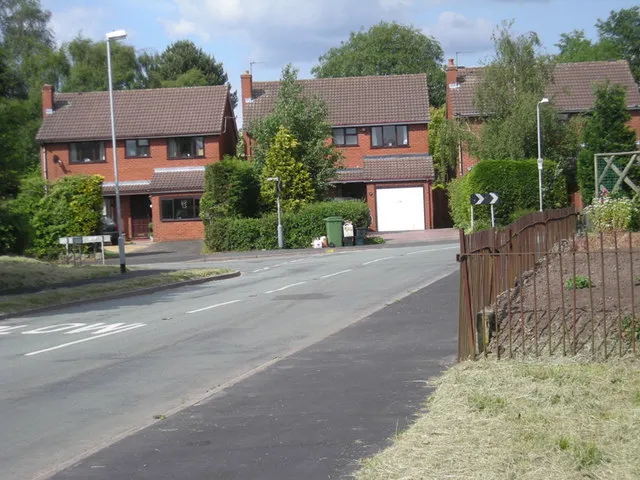
On a suburban cul-de-sac, the video bell is often pointed at the drive, the pavement and, accidentally, the neighbour's wheelie bin. On a rural lane, the doorbell may be a gate, a dog, a length of string or a handwritten sign directing you to the side entrance. In a seaside town, half the bells are drowned out by gulls and the other half are drowned out by a broken extractor fan. In a city terrace, the bell is a small act of trust: you press it, someone answers, and the street continues.
The unscientific pattern is this: the more elaborate the chime, the more likely the household has strong opinions about parcel couriers. The simpler the bell, the more likely it is to work. The silent knocker is not a failure of technology. It is a lifestyle choice, usually made by someone who has decided that replacing a battery is a job for a future version of themselves.
The UshVP chime rankings, entirely unscientific
Most beloved: the default ding-dong, the soft two-tone chime, the brief bird chirp and the mechanical bell that sounds like a bicycle from a gentler era. These are the doorbells that tell you someone is there without making the whole street feel summoned.
Most annoying: the twenty-second melody that you hear in fragments, the robotic voice announcing 'you have a visitor' as if delivering state news, the Christmas chime in June, the bell with volume stuck at eleven, and the video bell that triggers a phone alert, a hallway light and a dog in quick succession. Special mention goes to any bell that plays a tune while the caller leans on the button like they are trying to summon a lift.
Doorstep etiquette for 2026
A few rules will keep the peace. Press once and wait. Give the household a reasonable moment to reach the door, especially if they are upstairs, on a call or wrestling a toddler into a coat. Do not press again after eight seconds. If a sign says the bell is broken, knock. If a sign says 'no cold callers', respect it. If your own bell films the pavement, a small notice is neighbourly; people are allowed to know they are on camera. And if you are expecting a parcel, leave clear instructions. 'Leave in porch' is useful. 'Leave somewhere safe' is a riddle.
There is also the matter of the test press. If you install a new chime, warn the household before you try it. A sudden rendition of a football anthem at full volume is not a neutral event. It is a household incident that will be discussed at dinner.
The only census that matters
The great British doorbell is not really about technology. It is about the tiny social contract at the edge of every property: I have come to your door, you have chosen a sound to greet me, and together we will pretend the arrangement is normal. The best bell is the one that tells you someone is there without making the whole street feel summoned. If yours can do that, you are already winning the only census that matters. If it plays a twenty-second tune, we will still come in. We will just bring earplugs.