The Glass Box Rebellion: Britain’s Phone Kiosks Are Refusing to Retire
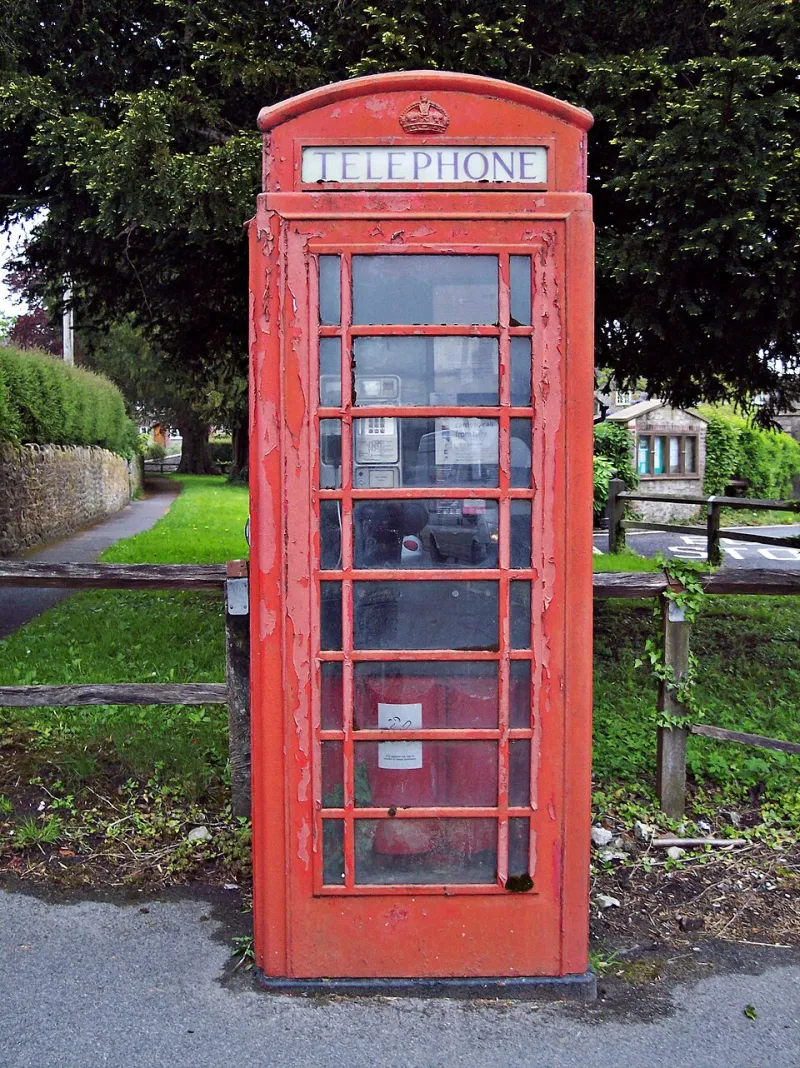
Photo: John Potts , CC BY-SA 2.0, via Wikimedia Commons
The red phone box is no longer a phone box. It is a small building with a job. In 2026, you are more likely to find a paperback, a defibrillator or a flat white inside one than a dial tone. That is not nostalgia; it is adaptation. The kiosk has become a test of local imagination. Some are brilliant. Some are just a shelf and a laminated sign. Here is how to tell the difference.
A Relic That Refused the Memo
For decades, the public phone box was treated as a piece of street furniture with an expiry date. The numbers fell, the maintenance bills rose, and many were sold off or scrapped. But the best ones were adopted. Communities took them on for a nominal sum and gave them a second act. You can call it civic recycling. You can also call it a very British refusal to let a good bit of cast iron go to waste.
The result is a nationwide collection of tiny enterprises, each one shaped by the village, town or city street that keeps it alive. The kiosk is the same size it always was. The ambition is often larger.
The Library With a Door That Sticks
The mini library is the most familiar conversion, and the most variable. A good one is a proper book exchange: a mix of thrillers, cookbooks, children’s annuals and the odd biography that someone has been trying to offload since 2019. It has a notice explaining the rules. It has a dry floor. It does not have a pile of damp paperbacks fused together in the corner.
One kiosk on the edge of the Fens gets it right with a simple system: take a book, leave a book, and do not leave anything you would not lend to a neighbour. Another, in a Wiltshire hamlet, has a shelf for jigsaws and a tin for spare bulbs. That is not just a library. That is a small community centre with a door.
A Defibrillator in a Red Box
Perhaps the most useful second act is the public access defibrillator. The machine sits inside; the red box is the landmark. You will see them near village halls, on green edges and outside pubs. The good ones are registered with the local ambulance service, clearly signed, and checked on a schedule. The not-so-good ones are behind a locked gate with a code nobody knows.
If you are involved with one, the practical test is simple: can a stranger find it, open it and use it without a phone call? If the answer is no, the box is decoration. If the answer is yes, it is infrastructure.
Coffee, Cake and Concrete Charm
Some kiosks have become coffee hatches. Usually on a weekend. Usually with a short menu. Often with a queue that blocks the pavement and a baker behind the counter who knows everyone by name. It sounds like a gimmick, and sometimes it is. But a good hatch has three things: a local product, a sensible queue and a bin. A bad one has a hand-written sign, no card reader and a vague sense that you are inconveniencing the person inside.
There is also the tiny museum, the art project, the seed swap, the food bank drop-off and the Christmas decoration store. The common thread is not the function. It is the fact that someone has decided the box is worth the bother.
How to Spot a Good One
You can usually judge a converted kiosk from the pavement. Look for a clean floor, a working light, a proper lock and a notice with a name and a contact number. Look for evidence of routine: fresh books, a swept step, a bin that is not overflowing. Look for a job that makes sense for the location. A defibrillator outside a village hall is sensible. A coffee hatch on a quiet residential street is a lifestyle choice.
The UshVP kiosk test is five questions. Does it have a clear purpose? Is it looked after? Is it safe to use? Does it serve more than one person? And is there a bin? Five yeses is rare. Three is respectable. One is a shed with a heritage paint job.
What the Red Box Actually Tells Us
The phone box was never just a phone box. It was a marker: you are in a place that has a centre, a history and a reason to be on a map. In 2026, when so much local life happens on a screen, the kiosk is a rare piece of physical civic furniture. It says someone noticed. It says someone bothered. It says the village has not given up on the idea of a shared thing.
That is why the best conversions feel less like nostalgia and more like stubbornness. The box is small. The point is not.
The Second Life Is the Point
If you pass one this week, give it a second look. Check the shelf. Read the notice. Buy the coffee if the queue is short. The red phone box has survived by becoming useful again, and that is a very British kind of comeback. It is not a monument. It is a working building. Long may it ring, hum, lend and defibrillate.