One Glove, No Owner: Inside the Quiet Afterlife of Britain’s Lost Property
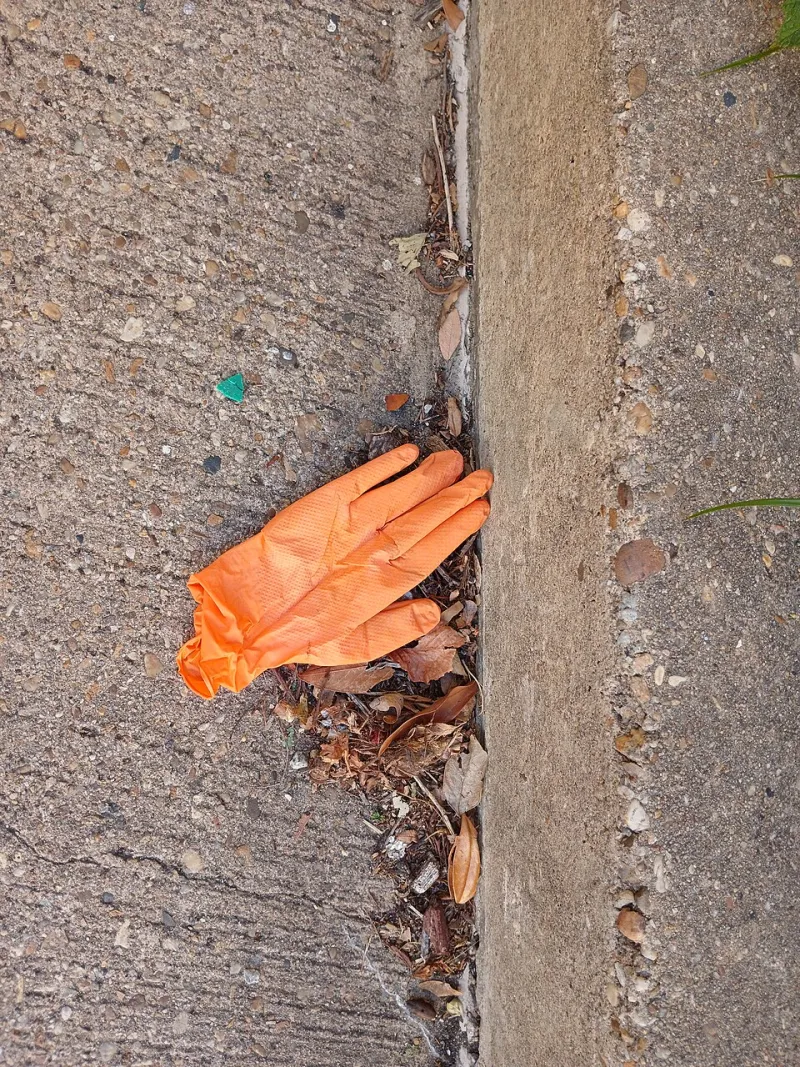
Photo: Ser Amantio di Nicolao, CC BY-SA 4.0, via Wikimedia Commons
November is peak lost-property season. The nights draw in, the pockets get deeper, and somewhere between the platform and the bus stop a glove makes a bid for freedom. By the time you notice, it is already in a plastic tray in a room you have never seen, waiting for an owner who does not know it exists. The lost property office is one of Britain’s quietest institutions: part cupboard, part confessional, part museum of small mistakes. And no exhibit is more eloquent than the lone glove.
The glove is the giveaway
Walk into almost any lost property office in the UK and you will see the same archaeology. Umbrellas stacked like winter shrubbery. Phone chargers coiled in a tangle that suggests they were lost on purpose. A shelf of scarves, a box of keys, a sad colony of headphones. But the glove is the giveaway. It arrives alone, almost always. It is not a pair. It is a rumour of a person.
Why so many single gloves? Because gloves are lost in motion. You pull one off to answer a phone, wrestle a ticket from a pocket, or wrestle a child from a bus. The other glove stays put. By the time you realise, the survivor is at home and the runaway is in a depot in Croydon. A pair can be reunited. A single glove cannot. It becomes urban debris with a backstory.
The same is true of keys. Keys are intimate, mysterious and almost impossible to match to an owner without a fob or a tag. Scarves are easier: they are big, they are often labelled, and they tend to be handed in with a slightly apologetic air. Gloves are the opposite. They are small, unlabelled and oddly personal. A lost glove is not just an item. It is a tiny, woolly question mark.
Where the stuff actually goes
Britain does not have one lost property office. It has hundreds, attached to train stations, bus depots, museums, taxis and shopping centres. Transport for London runs a central Lost Property Office near Baker Street, which handles everything from umbrellas to prosthetic limbs. National rail stations have their own cupboards. Bus operators vary wildly: some have a desk, some have a depot, some have a phone number that rings twice and then gives up. Museums have cloakrooms with their own rules and their own quiet guilt.
The process is usually the same. An item is handed in, logged, bagged and tagged. Staff note the date, the place and a brief description. High-value things such as phones, wallets and laptops are locked away. Perishables are binned. Anything damp, suspicious or biologically ambitious is dealt with quickly. Then the waiting begins.
How long? It depends. A rough rule is a month to three months, but the detail matters. TfL’s lost property office works to a three-month window. Many rail operators keep items for a similar stretch. Bus companies may be shorter, sometimes just a few weeks. Museums and venues often have their own timetables, and small businesses can be wonderfully chaotic. If you have lost something, check the specific operator rather than trusting a general internet answer.
After the deadline
When the window closes, the afterlife begins. Some operators contact owners if there is an obvious name, email or phone number. Some pass unclaimed items to charity partners. Some send textiles for recycling. A few auction off the more valuable stuff. Umbrellas are often donated. Gloves are usually recycled, which feels right: they have already had one life on the pavement.
The lone glove is rarely claimed. That is not because people do not care. It is because a single glove is hard to describe, hard to prove and hard to justify a trip across town for. You might ring up and say, ‘It’s a black glove, left hand, possibly wool.’ The person on the phone will sigh, kindly, and ask if you have a receipt. You will not.
How to actually get it back
If you have lost something, do not wait until December. Start with the operator, not the police. Most train companies, bus firms and museums have an online lost property form. Fill it in with as much detail as you can: date, time, route, carriage number, seat, colour, brand, distinguishing marks. ‘Black rucksack’ is not a description. ‘Black rucksack with a broken zip and a nametag saying “Mum”’ is.
If the item is valuable, call as well as email. Have your ticket or booking reference ready. Be prepared to show ID when you collect. Some offices charge a small handling fee; others do not. Ask about the deadline before you make the journey. And if you have lost a glove, check anyway. It is a long shot, but lost property offices are built on long shots.
The sentimental shelf
Staff will tell you that the strangest items are rarely the most expensive. It is the teddy bear with one eye. The birthday card still in its envelope. The keyring from a dead relative. The single earring that clearly mattered. These are the things that make a lost property office feel less like a cupboard and more like a waiting room for tiny griefs.
At UshVP we are not above a bit of pavement poetry. The lone glove may be the most poignant piece of urban debris we make: a small, useful thing that has slipped out of a life and cannot get back in. It is also a useful reminder. Label your stuff. Take a photo of your bag. Check the office before the window closes. And if you see a single glove on a wall this November, give it a moment. It has had a long journey, and no one is coming.