The Voice Behind the Departure Board: Reading a Railway Platform by Ear
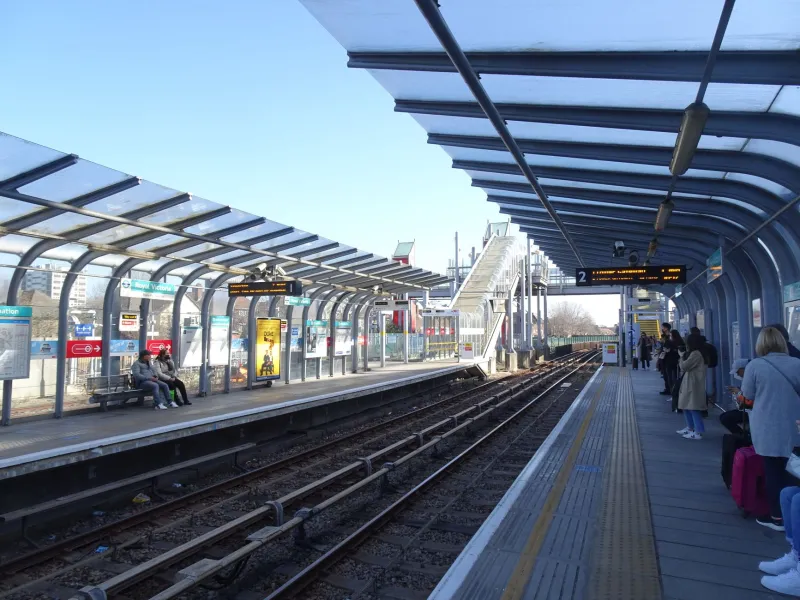
A railway platform is never truly silent. Even when the departure board is holding its breath, there is a speaker somewhere clearing its throat. For anyone who commutes with any regularity, station announcements become a kind of background radio: part information, part atmosphere, part accidental theatre. The words are familiar, but the voices are not. And as of November 2026, the humble platform announcement remains one of the most reliably odd corners of British public life.
The Automated Optimist
The default station voice is calm to the point of unsettling. It does not panic about the 17:42 to Crewe. It simply states that the train is delayed, as if this were a small weather event rather than a personal insult. This is the voice that delivers 'Mind the gap' with the same steady warmth whether the gap is a modest step or a canyon requiring a sherpa. It is the voice of 'See it, say it, sorted' — a phrase so thoroughly absorbed into the national vocabulary that it now arrives like a nursery rhyme with a security briefing attached.
The automated voice has its own grammar. 'We are sorry to announce' is followed by something that may or may not be a reason. 'This is due to' can lead to a train fault, a signal failure, or a suspiciously vague 'operational incident'. The best ones sound less like a public address system and more like a fortune cookie that has been to a health-and-safety course.
The Apologetic Human
Then there is the local announcer: flesh and blood, presumably, though often heard only as a distant sigh. This is the voice that begins with 'Ladies and gentlemen' and ends with a small prayer. It apologises for the delay, apologises for the apology, and occasionally apologises for the weather, which is not technically the railway’s fault but feels rude not to mention.
This archetype is at its finest during planned engineering works. A human announcer can turn 'planned engineering works' into a phrase with genuine gravitas, as though the track were undergoing a difficult operation and we should all keep our voices down. They also excel at the lost-property plea. 'Would the owner of a small blue rucksack please make themselves known' is delivered with the tenderness of a man who has seen too much and now simply wants the rucksack to find peace.
The Local Legend
Every so often, a station gets an announcer with personality. This is the voice that adds a little commentary to the timetable. It might warn you that the next train is 'rather full, folks' or suggest that passengers for a certain destination 'might want to make themselves comfortable'. It is not strictly necessary. It is also the reason people remember the station.
The local legend knows the platform’s rhythms. They know that the 08:14 attracts a certain kind of dash and the 22:07 attracts a certain kind of sigh. They can make a routine stop sound like a civic event. And on a good day, they can turn a delay into performance art simply by pausing before the word 'unfortunately'. That pause does more work than most scripts.
The Lost-Property Poet
Lost-property announcements deserve their own category. There is something quietly poetic about a platform speaker asking after a 'black umbrella with a wooden handle' or a 'single glove, believed to be grey'. The details are always slightly too specific and slightly too sad. You begin to imagine the owner, last seen wrestling with a coffee and a suitcase, now somewhere near the ticket barrier with one hand colder than the other.
The best lost-property pleas sound like the opening lines of a novel. The worst sound like a riddle. Either way, they remind you that a station is not just a place where people pass through. It is also a place where people leave things behind, and where a stranger with a microphone tries to reunite them. That is oddly lovely, even when your train is late.
A Rough 2026 Ranking
If we were to rank the archetypes by platform entertainment value, the local legend would take the top spot for sheer unpredictability. The lost-property poet comes second, because pathos travels well. The apologetic human is third: reliable, decent, slightly weary. The automated optimist sits fourth, not because it is bad, but because it has become so familiar that we no longer hear it properly. That is the strange fate of the station voice: it is everywhere, and almost invisible.
There is also the cameo class. The station cat that wanders past the microphone. The cleaner who can be heard saying something unrepeatable in the background. The guard who adds a final 'mind how you go' with the warmth of a favourite uncle. These are the moments that make a platform feel less like infrastructure and more like a room with people in it.
How to Hear a Station
Next time you are waiting, listen past the delay. Notice whether the voice is recorded or human. Notice how it handles the word 'sorry'. Notice whether the lost-property announcement sounds like a plea or a poem. The departure board tells you what is happening. The speaker tells you what kind of place you are standing in.
And if you hear a station cat cameo, consider it a bonus. The train may still be late, but at least the platform has a personality.